
Joe Carter
March 19, 2026
Section 1: Opening (Deal + Positioning)
Twin Flame Group recently advised on the sale of a Budget Blinds franchise territory in Austin, Texas.
The transaction involved the transfer of operating assets from Oliver Global Industries, Inc. to Austin BBlinds LLC, including franchise rights, customer accounts, equipment, and goodwill as part of a full business transition.
But the transaction itself isn’t the story.
The structure is.
Section 2: Why Most Deals Fall Apart
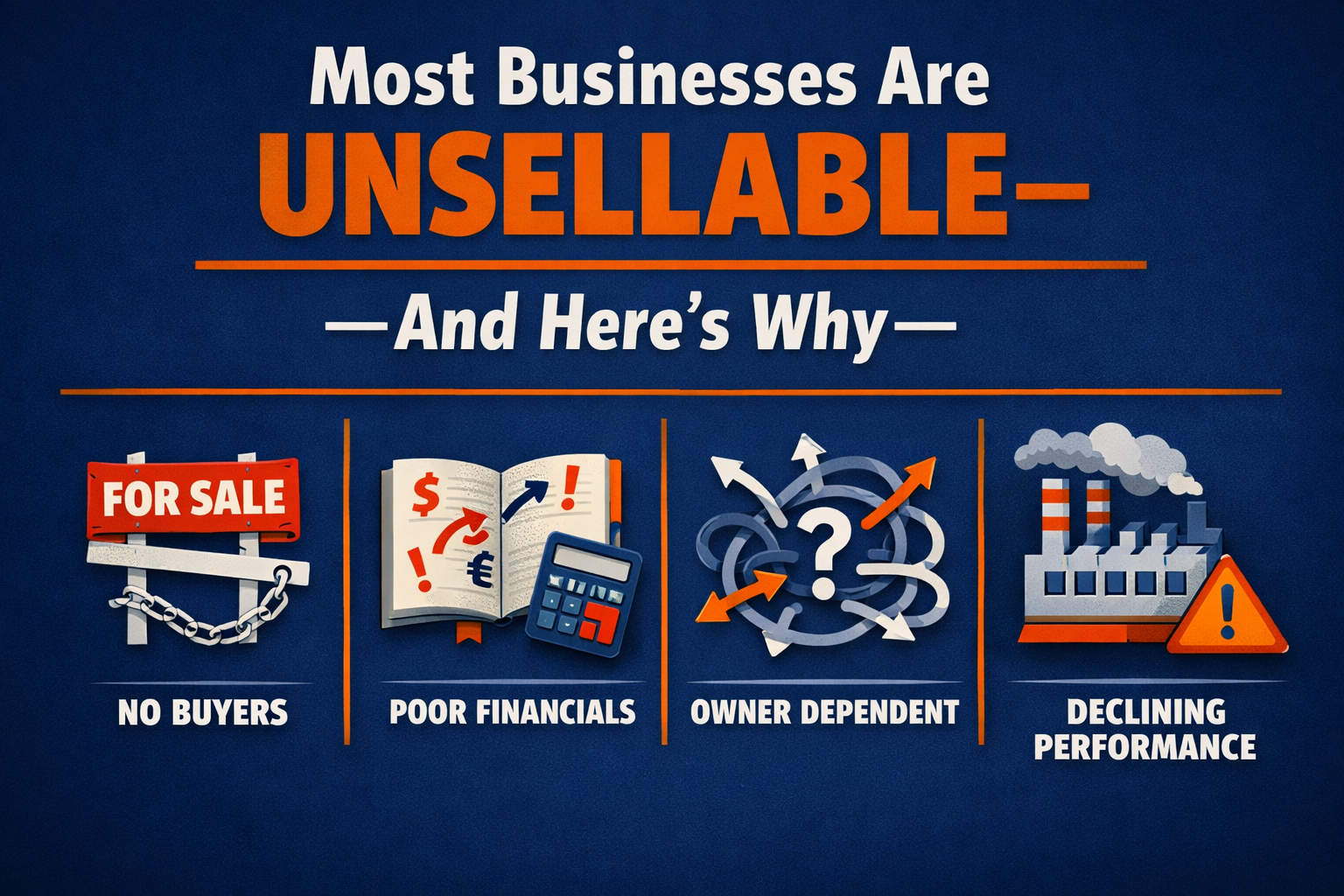
Most business owners think valuation is the goal.
It’s not.
Deals fail—or underperform—because of:
- unclear financials
- weak systems
- founder dependency
- misaligned incentives
Buyers don’t just buy revenue.
They buy:
- predictability
- structure
- transferability
If those aren’t in place, the deal either gets discounted—or doesn’t close.
Section 3: How This Deal Was Structured
This transaction was structured with:
- cash at closing
- seller financing
- performance-based earnout
That structure matters more than the headline number.
Why?
Because it:
- reduces buyer risk
- preserves seller upside
- aligns both parties post-close
Most deals break after closing because incentives weren’t aligned from the start.
Structure solves that.
Section 4: The Role of Strategic Advisory
Twin Flame Group was engaged as a strategic advisor across the full transaction lifecycle.
That included:
- financial normalization
- deal structure design
- buyer coordination
- diligence support
- guidance through the asset purchase agreement
This isn’t brokerage.
This is positioning.
The goal is not just to sell the business—but to prepare it to be bought.
Section 5: Beyond the Sale — Building Post-Close Performance
A transaction is not the finish line.
It’s a transition point.
As part of this engagement, Twin Flame Group developed a Strategic Growth Blueprint focused on:
- improving operational efficiency
- expanding margins
- increasing scalability
- reducing owner dependency
This is what determines whether the business performs after the deal.
Because most buyers aren’t looking for a project.
They’re looking for a platform.
Section 6: What Buyers Actually Pay For
Buyers pay for businesses that are:
- predictable
- systemized
- scalable
- transferable
That means:
- recurring revenue
- documented SOPs
- KPI visibility
- leadership beyond the owner
Revenue alone doesn’t drive value.
Structure does.
Section 7: The Framework Behind the Work
Every engagement is built on two systems:
Strategic Growth Blueprint
A structured plan to improve:
- revenue quality
- margins
- operational efficiency
- scalability
4 Modus Operandi
- Clear Goals
- Measurable Milestones
- Specific Actions
- Weekly Accountability
Execution—not ideas—is what increases valuation.
Section 8: Final Takeaway
“This was a structured transition, not just a sale. The focus was aligning incentives and positioning the business to perform after closing.” — Joe Carter
Most owners wait too long to think about exit.
By then, they’re negotiating from a weak position.
If you’re within 1–3 years of selling, the work starts now.
Not at listing.
If you’re building toward a sale, focus on value—not just revenue.
Download the Strategic Growth Blueprint or visit www.twinflametx.com
Joe Carter
Learn more about our founder Joe Carter, a nationally recognized business consultant and speaker.
Follow us on Linkedin.png)