
Joe Carter
March 27, 2026
Advising the Sale of Two Maids Round Rock: Valuation, Diligence, and Post-Close Execution
Most business sales are framed around one moment.
Closing.
That’s where the attention goes.
That’s where the announcement happens.
But that’s not where value is created.
And it’s definitely not where risk is removed.
This transaction—Two Maids Round Rock—was structured differently.
The Deal
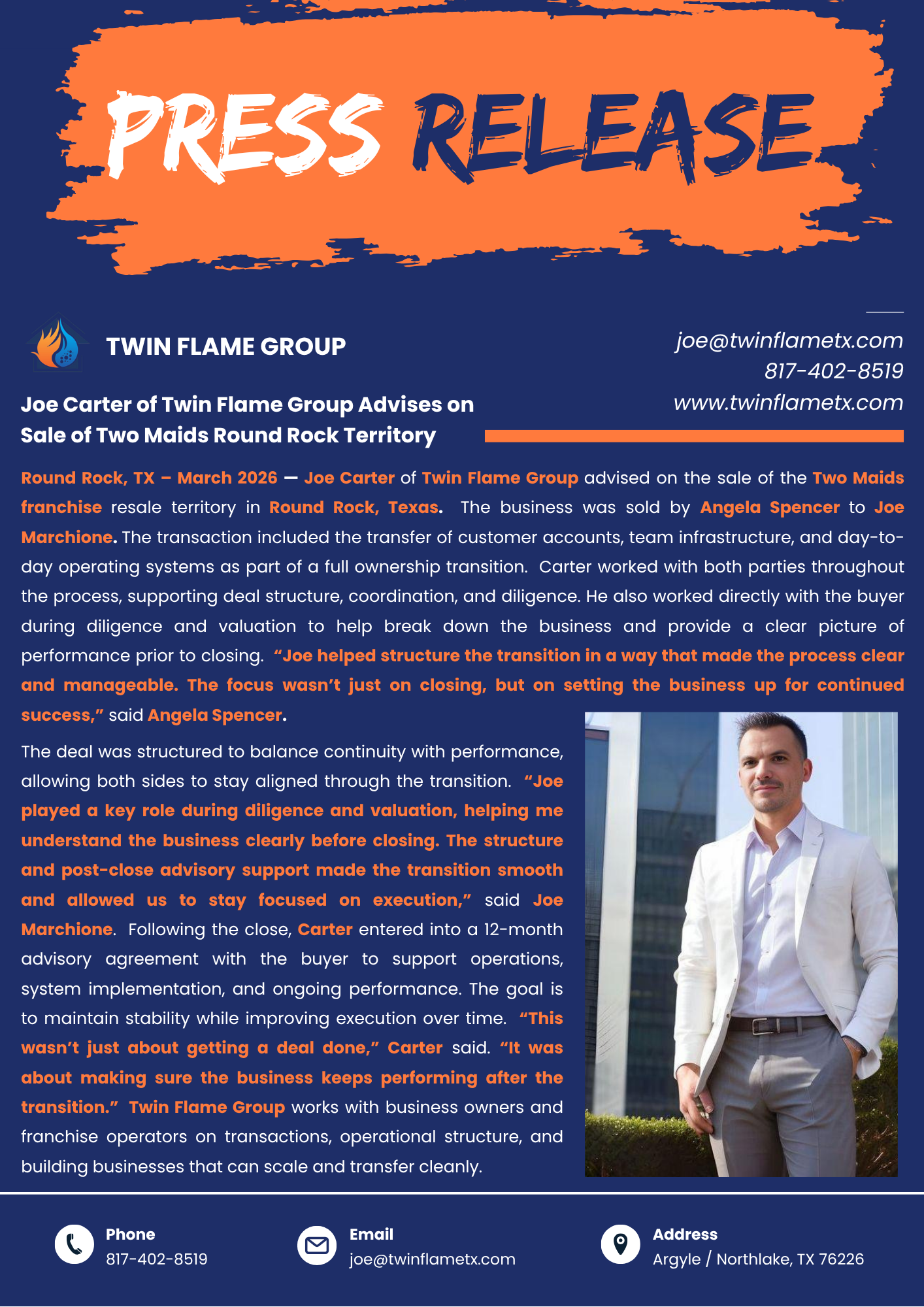
Twin Flame Group, led by Joe Carter, advised on the sale of a Two Maids franchise territory in Round Rock, Texas.
The engagement involved working both sides of the transaction:
- Supporting Angela Spencer (seller) on valuation, positioning, and exit readiness
- Supporting Joe Marchione (buyer) through diligence, valuation validation, and acquisition decision-making
This wasn’t a broker-led process.
This was advisory focused on one objective:
Protect and increase enterprise value throughout the transaction.
What Most Owners Get Wrong About Selling
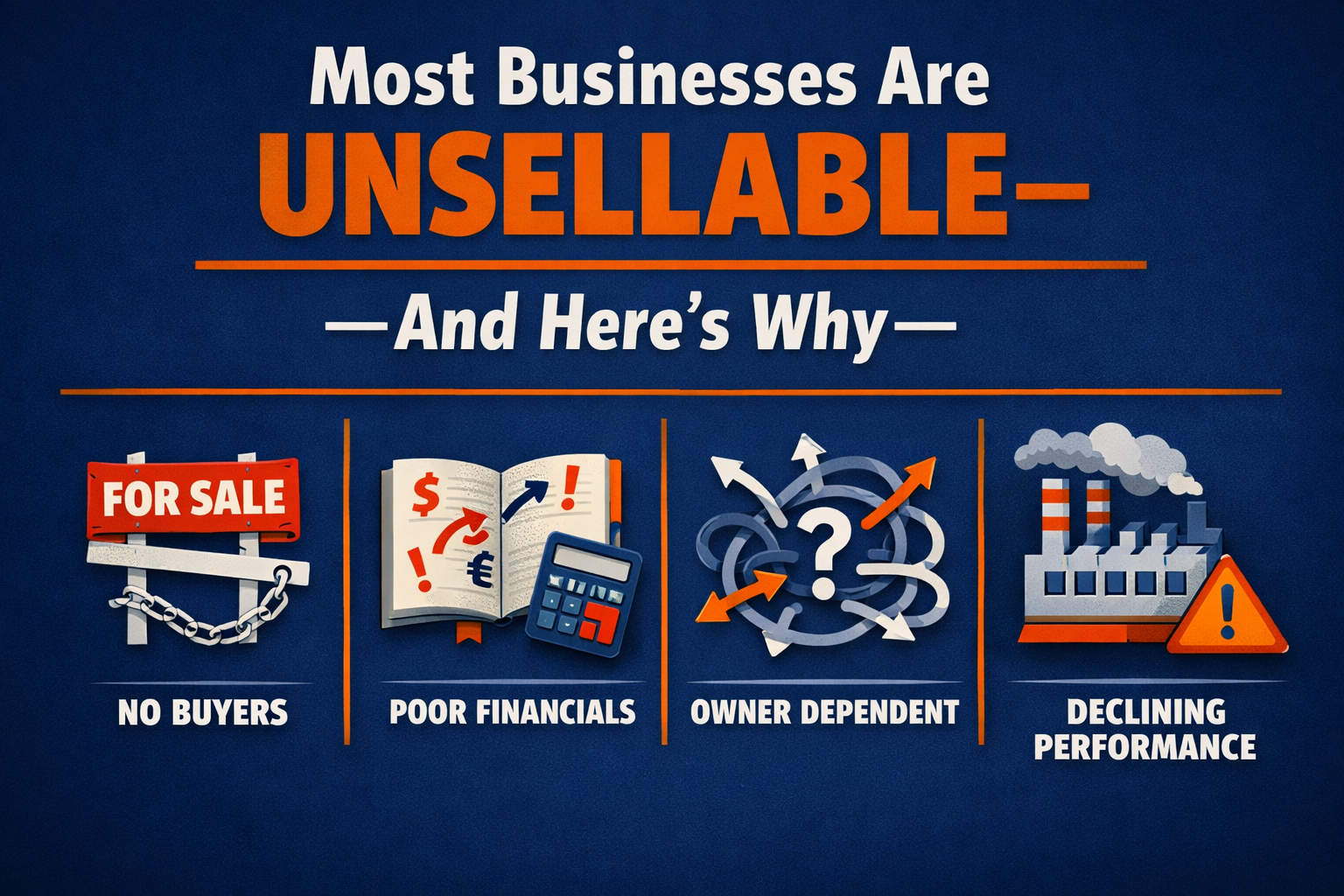
Most founders believe they are selling revenue.
They’re not.
Buyers don’t pay for top-line performance.
They pay for:
- Predictable cash flow
- Documented systems
- Owner-independent operations
- Financial clarity
Revenue without structure creates risk.
And risk reduces valuation.
That’s where most businesses lose value—before the deal even starts.
Starting Point: A Strong Business with Hidden Risk
On the surface, the business performed well.
- Consistent revenue
- Healthy margins
- Established market presence
But valuation doesn’t stop at surface-level performance.
Through advisory and pre-diligence analysis, several factors emerged:
- Cash flow inconsistencies across operating periods
- Reliance on key individuals for execution
- Limited KPI visibility across core functions
- Financials that required normalization to reflect true earnings
None of these are uncommon.
But each one impacts how a buyer evaluates risk.
And risk directly impacts valuation.
Financial Clarity: Rebuilding EBITDA
One of the first steps was financial normalization.
Buyers do not rely on reported income.
They rebuild the financials to determine true cash flow.
This process included:
- Removing non-operational expenses
- Adjusting owner-related costs
- Isolating recurring vs non-recurring items
The result was a clear, supportable EBITDA figure.
This number drives:
- purchase price
- financing approval
- deal structure
Without this step, valuation is unstable.
Diligence: Where Deals Actually Break
Most deals don’t fail during negotiation.
They fail during diligence.
This is where assumptions are tested.
And where most businesses cannot fully validate what they claim.
In this transaction, diligence was approached through the Strategic Growth Blueprint, focusing on:
Financial Clarity
Validated earnings, cash flow stability, and margin consistency.
Operational Validation
Reviewed how the business actually functions:
- scheduling
- service delivery
- team execution
- dependency points
Risk Identification
Identified areas that could impact future performance:
- personnel reliance
- operational gaps
- visibility limitations
This process created alignment between buyer and seller.
Not by removing risk—but by clearly defining it.
Deal Structure: Aligning Incentives
The transaction was structured to reflect both performance and risk.
Rather than relying solely on upfront payment, the deal incorporated:
- cash at closing
- seller financing
- performance-based earnout
This allowed:
- reduced upfront exposure for the buyer
- continued participation for the seller
- alignment around post-close performance
Structure matters.
It is often the difference between a deal that closes—and one that holds.
Why This Deal Closed
This deal worked for one reason:
Clarity.
- Financials were normalized
- Risks were identified early
- Expectations were aligned
There were no surprises late in the process.
That’s what protects valuation.
And that’s what prevents retrading.
Post-Close: Where Value Is Actually Created
Most advisory stops at closing.
That’s where the real work begins.
Twin Flame Group continues to support post-close execution through a structured approach:
Strategic Growth Blueprint
Focus on:
- system development
- documentation
- KPI visibility
- operational consistency
4 Modus Operandi
Execution framework:
- Clear Goals
- Measurable Milestones
- Specific Actions
- Weekly Accountability
This ensures:
- alignment across the team
- consistent execution
- measurable performance improvement
Because buying a business does not create value.
Operating it better does.
What This Means for Business Owners
If you are considering selling in the next 1–3 years:
The work starts now.
Not when you list the business.
Focus on:
- cleaning financials
- documenting systems
- reducing owner dependency
- implementing KPI visibility
That’s what increases valuation.
Not just revenue growth.
What This Means for Buyers
If you are acquiring a business:
Do not evaluate based on revenue alone.
Validate:
- cash flow quality
- operational systems
- risk exposure
- scalability
Because what you buy is not the past.
It’s the future performance of the business.
Final Perspective
Most businesses aren’t underpriced.
They’re underbuilt.
The gap between those two is where value is either created—or lost.
Work With Twin Flame Group
Twin Flame Group works with founders, franchise operators, and buyers to build businesses that are:
- scalable
- transferable
- prepared for exit
If you are preparing for a sale or evaluating an acquisition:
Visit www.twinflametx.com
Email joe@twinflametx.com
Call 817-402-8519
Or apply for advisory.
Joe Carter
Learn more about our founder Joe Carter, a nationally recognized business consultant and speaker.
Follow us on Linkedin.png)